Open Kitchen vs Closed Kitchen Design
When planning a kitchen, one of the biggest design decisions is whether to choose an open kitchen or a closed kitchen layout. Each design has its own advantages and challenges, and the choice depends on your lifestyle, home layout, and personal preferences. Understanding the key differences can help you create a space that is both functional and aesthetically pleasing.
Here’s a detailed guide to help you decide between an open and closed kitchen design.
What Is an Open Kitchen?
An open kitchen is integrated with the dining or living area, creating a large, uninterrupted space. There are no walls separating the kitchen from other areas, which allows for easy interaction and a sense of spaciousness.
Pros of an Open Kitchen
- Social Interaction: Perfect for families or entertaining guests, as cooks can interact with others while preparing meals.
- Spacious Feel: Removing walls makes the area feel larger and more connected.
- Natural Light: Light from adjoining rooms flows into the kitchen, brightening the space.
- Modern Look: Open kitchens create a contemporary, airy feel that many homeowners prefer today.
Cons of an Open Kitchen
- Noise: Sounds from cooking, appliances, and cleaning can carry into living spaces.
- Odors: Cooking smells can spread more easily.
- Clutter Visibility: Messes and dishes are visible from living or dining areas.
- Less Storage: Often fewer walls for cabinets, potentially reducing storage space.
What Is a Closed Kitchen?
A closed kitchen is a separate room with walls and a door, fully enclosed from the rest of the house. This traditional layout keeps the kitchen contained and distinct from other living areas.
Pros of a Closed Kitchen
- Privacy: Cooking activities are hidden from guests or family members.
- Noise Control: Sounds from appliances and cooking are contained within the kitchen.
- Odor Management: Cooking smells stay in the kitchen, preventing them from spreading to other rooms.
- Dedicated Storage Space: More wall space allows for additional cabinets and shelves.
Cons of a Closed Kitchen
- Limited Interaction: The cook is separated from family or guests, making socializing difficult.
- Less Light and Airflow: Enclosed spaces may feel darker and less ventilated.
- Smaller Feel: Walls create a more confined space, which may feel cramped in smaller homes.
- Outdated Look: Closed kitchens can feel less modern compared to open layouts.
Key Factors to Consider
1. Lifestyle and Entertaining
- Open Kitchen: Best for families who like to cook and interact with guests simultaneously. Ideal for entertaining.
- Closed Kitchen: Better for those who prefer a quieter cooking space and minimal interaction with guests while preparing meals.
2. Home Size
- Open Kitchen: Works well in smaller homes or apartments, as it makes the space feel larger and more connected.
- Closed Kitchen: Suitable for larger homes where a separate kitchen room is possible without feeling cramped.
3. Cooking Habits
- Open Kitchen: Ideal if you cook frequently but clean up quickly, as clutter is visible from adjoining spaces.
- Closed Kitchen: Better for heavy cooking, baking, or messy meal preparation where odors and mess need containment.
4. Design and Aesthetics
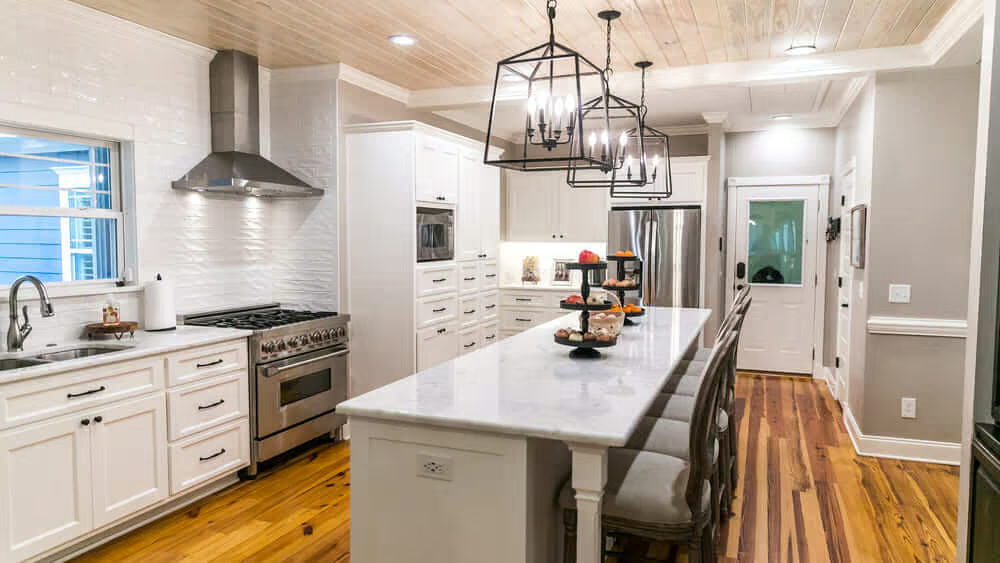
- Open Kitchen: Modern, airy, and seamless; can use islands or breakfast bars as focal points.
- Closed Kitchen: Traditional and cozy; allows more walls for decorative elements or additional cabinetry.
5. Ventilation and Appliances
- Open Kitchen: Requires effective ventilation systems like powerful range hoods to manage odors and smoke.
- Closed Kitchen: Walls naturally contain smoke and odors, reducing the need for heavy ventilation.
6. Resale Value
- Open Kitchen: Often preferred by buyers looking for modern homes with spacious layouts.
- Closed Kitchen: May appeal to buyers who prefer privacy and a traditional design.
Hybrid Solutions
Some homeowners combine the best of both worlds with semi-open kitchens. This design includes partial walls, glass panels, or sliding doors that can be opened or closed as needed. It provides flexibility, maintains some separation, and allows light and interaction when desired.
Final Thoughts
The choice between an open kitchen and a closed kitchen comes down to lifestyle, priorities, and space.
- Choose open kitchens for social, modern, and spacious layouts that connect living and dining areas.
- Choose closed kitchens for privacy, odor control, and a dedicated cooking area that keeps mess out of sight.
Stay in touch to get more updates & news on Qiuzziz!