Navigating the 2026 Job Market: Top 5 Accounting Software Skills US Employers Demand
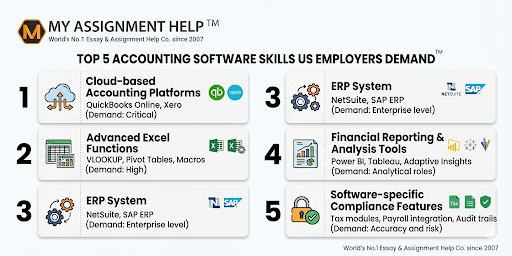
The US accounting landscape in 2026 is no longer defined by simple ledger entries or basic spreadsheet management. As Artificial Intelligence (AI) and automated cloud ecosystems become the standard, the role of an entry-level accountant has shifted from “data entry specialist” to “strategic data interpreter.” For 2026 graduates, the transition from the classroom to a top-tier CPA firm or a corporate finance department requires a specialized digital toolkit.
According to recent labor statistics and industry trends from the American Institute of Certified Public Accountants (AICPA), firms are increasingly prioritizing “tech-fluent” candidates who can navigate complex ERP (Enterprise Resource Planning) environments. Employers are looking for graduates who don’t just know the theory of debits and credits but can execute them within high-speed, automated frameworks.
In this competitive environment, many students find that mastering these technical platforms requires more than just a cursory glance at a manual. Specialized perdisco assignment help has become a vital resource for those looking to master practice sets that simulate real-world business cycles. These simulations bridge the gap between academic theory and the rigorous software demands of the modern US workforce.
1. Advanced Cloud ERP Proficiency (NetSuite and Sage Intacct)
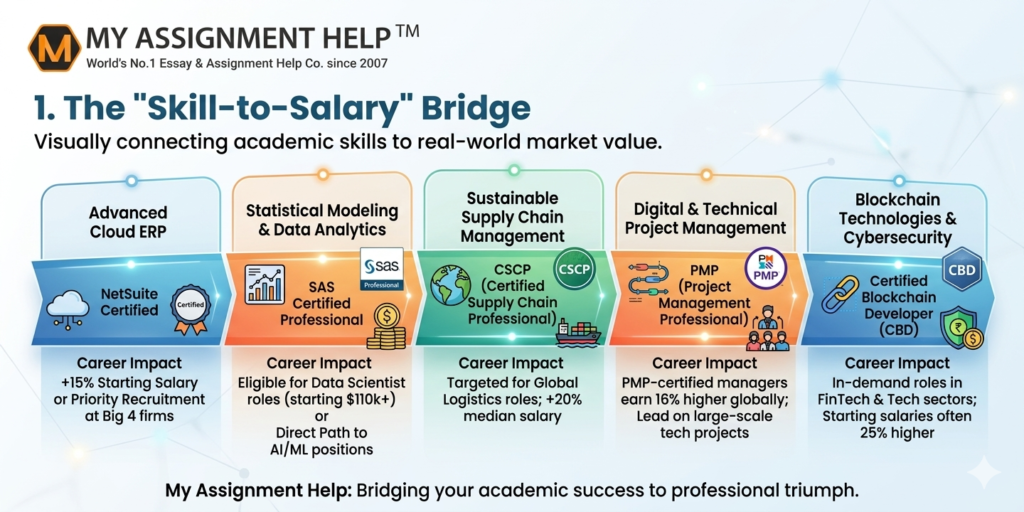
Cloud-native ERP systems have officially overtaken legacy on-premise software. In 2026, US employers—ranging from mid-market firms to Fortune 500 companies—require proficiency in platforms like Oracle NetSuite or Sage Intacct.
- Why it matters: These platforms consolidate CRM, e-commerce, and inventory management into a single financial core.
- The Skill: Employers want graduates who understand “multi-entity consolidation” and “real-time reporting” features. Being able to automate the closing process within a cloud environment is a top-tier skill that reduces manual errors by up to 40%, according to Gartner’s 2025 Finance Research.
2. AI-Driven Analytics and Data Visualization (Power BI & Tableau)
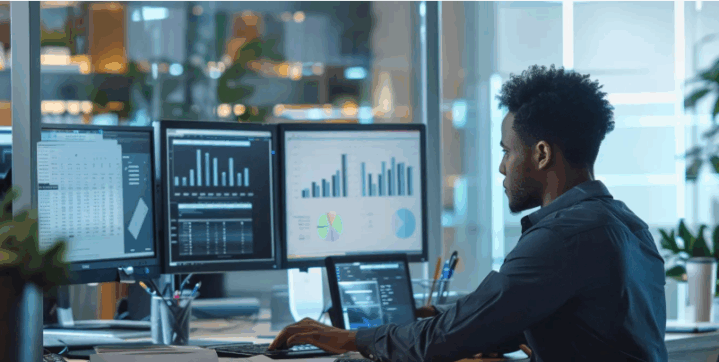
Data is the new currency of the accounting world. It is no longer enough to generate a report; you must be able to tell a story with it. 2026 graduates are expected to be proficient in Microsoft Power BI or Tableau.
- The Shift: Traditional static Excel charts are being replaced by dynamic dashboards.
- The Skill: US employers look for the ability to connect live accounting data to visualization tools to track Key Performance Indicators (KPIs) in real-time. This falls under the “Analytic Mindset” competency now required by the revised CPA Evolution Model.
3. Automated Payroll and Compliance Systems
With the rise of the gig economy and remote work across state lines, payroll compliance has become a legal minefield. Knowledge of automated systems like ADP Workforce Now or Gusto is essential.
- The Complexity: Accountants must now manage multi-state tax nexus issues and automated filings.
- The Skill: Mastery of “automated compliance triggers” ensures that a firm remains compliant with the latest IRS regulations and Department of Labor (DOL) mandates.
4. Specialized Practice Set Mastery (MYOB & Perdisco)
Many Australian and international firms with US subsidiaries utilize MYOB. Furthermore, the pedagogical gold standard for testing an accountant’s software logic is the Perdisco platform.
- The Logic: Perdisco’s rigorous practice sets are designed to ensure a student can handle an entire month’s worth of transactions without a single error.
- The Skill: Successfully completing these certifications proves to an employer that you have the “stamina for accuracy.” For those struggling with the steep learning curve of these technical modules, seeking professional assignment writing services can provide the structured guidance needed to understand complex software workflows and ensure academic and professional excellence.
5. Blockchain and Digital Asset Accounting
As of 2026, the integration of digital assets into corporate balance sheets has moved from the fringe to the mainstream.
- The Requirement: Employers are seeking graduates who understand the tax implications of cryptocurrency and the “immutable ledger” of blockchain technology.
- The Skill: Proficiency in sub-ledger software that reconciles digital asset transactions with traditional GAAP (Generally Accepted Accounting Principles) reporting is a high-demand niche skill.
Key Takeaways for 2026 Graduates
- Beyond Excel: While Excel remains a staple, it is now considered a “baseline” skill rather than a competitive advantage.
- Certification Matters: Obtaining software-specific certifications (e.g., NetSuite Certified User) can increase starting salary offers by 10-15%.
- The Human Element: Software handles the “how,” but employers hire you for the “why.” Focus on interpreting the data that the software produces.
- Adaptability: The software used today may be updated by tomorrow. Show employers you have a “growth mindset” regarding tech.
Frequently Asked Questions (FAQ)
Q1: Do I need to be a programmer to work in accounting in 2026?
No, but you need to be “tech-literate.” Understanding how data flows between different software (APIs) is more important than writing actual code.
Q2: Is QuickBooks still relevant for US graduates?
Yes, primarily for small business accounting. However, for larger firms, employers prioritize ERP systems like SAP or NetSuite.
Q3: How can I prove my software skills if I haven’t had an internship?
Complete a certified practice set (like those offered through Perdisco) or obtain a digital badge from software providers like Sage or Microsoft.
Q4: Does AI replace the need for junior accountants?
AI replaces the tasks of junior accountants (like data entry), but it increases the need for junior accountants who can audit and verify AI-generated outputs.
About the Author: Angelika S.
Senior Academic Consultant & Accounting Specialist Angelika holds an MS in Accountancy and has over 8 years of experience in fiscal management and academic mentoring. Currently serving as a lead strategist at MyAssignmentHelp, she specializes in bridging the gap between academic curricula and the evolving technical demands of the global financial workforce. Her work focuses on E-E-A-T principles, ensuring students receive authoritative and trustworthy guidance for their professional development.
References
- AICPA & CIMA. (2025). The State of the Accounting Profession: Trends for 2026.
- Gartner Finance Research. (2025). Top Strategic Technology Trends for 2026.
- Journal of Accountancy. (2026). Digital Assets and the Modern Balance Sheet.
- U.S. Bureau of Labor Statistics. (2025). Occupational Outlook Handbook: Accountants and Auditors.
Stay in touch to get more updates & news on Qiuzziz!