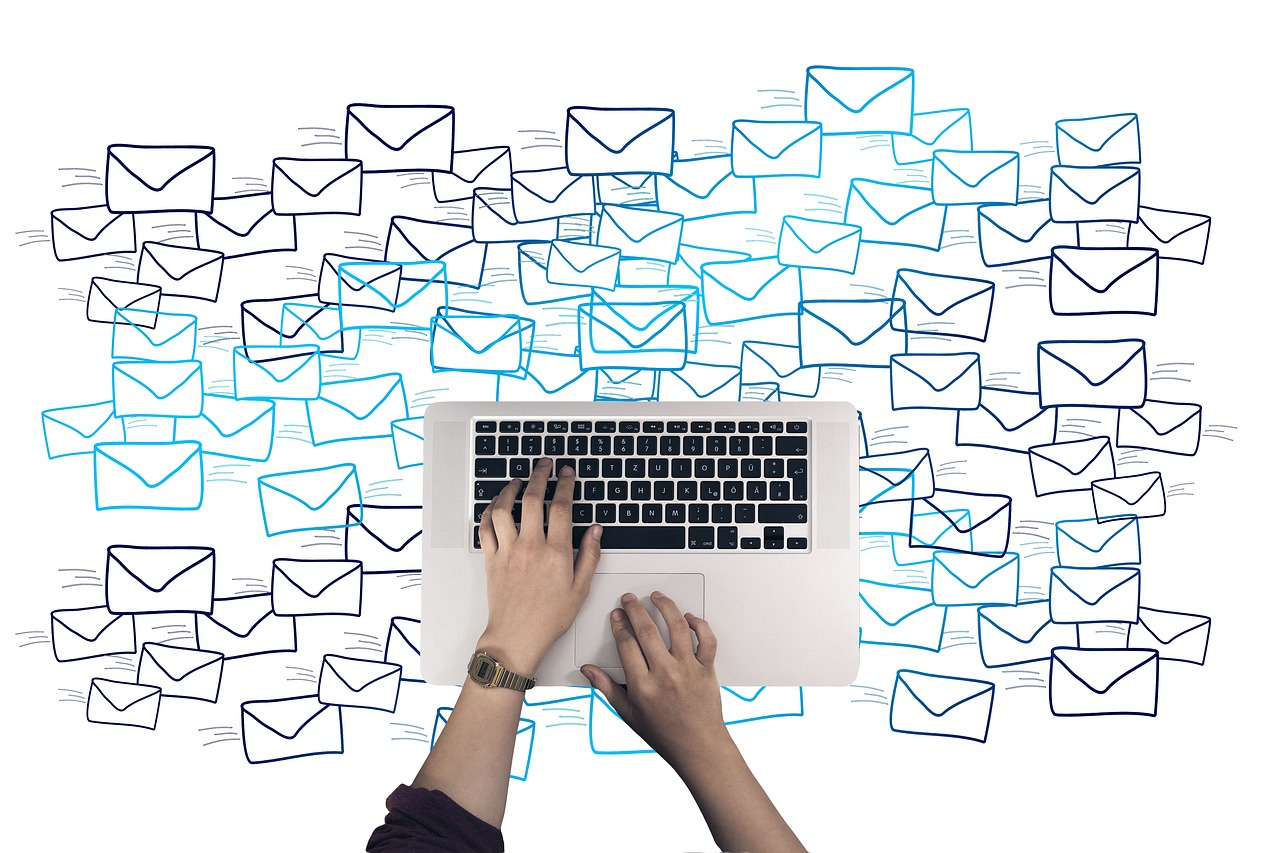
How Crafting Effective Cold Emails Enhances Your Outreach
Everyone says cold emailing is dead. You’ll hear it in marketing groups, sales forums, and job search advice. But the truth is simpler: cold emailing didn’t die, bad cold emailing did. The old way of blasting the same message to hundreds of people stopped working long ago.
People ignore emails that feel automated and generic. But when a message feels real, personal, and relevant, people still reply.
I learned this the hard way. After months of sending job applications, I received nothing back. Not even a single response. That’s when I realized something important: waiting rarely works. Reaching out directly, thoughtfully, and personally can open doors that applications alone never will.
Foundation Elements Every Cold Email Strategy Must Include
Technical stuff sounds boring, right? But here’s the reality: your brilliant message means absolutely nothing if it lands in spam. You could write the most thoughtful, helpful email in the world, but if the inbox never sees it, the effort is wasted.
This is why the technical foundation matters so much. Things like domain setup, email authentication, and sending limits may not feel exciting, but they protect your deliverability. They tell email providers that you’re a real sender, not a spammer.
Technical Infrastructure That Ensures Email Deliverability
You can’t skip domain warming anymore. Period. Launch a new account and immediately blast 200 emails? You’ve just murdered your sender reputation. Start with 5-10 daily emails instead. Creep that number up gradually across 2-3 weeks. Think of it like warming up before a workout, rush it and you’ll pull something.
SPF, DKIM, and DMARC aren’t alphabet soup. They’re authentication protocols that prove you’re legit, not a spammer. Most email platforms walk you through setup, though specialized outreach tools handle this automatically.
Here’s what changes everything: when you prioritize crafting effective cold emails with proper verification and authentication baked in, your messages actually reach primary inboxes. Modern outreach platforms bundle these technical necessities with campaign tools so you’re not juggling five different dashboards.
Building Your Ideal Prospect Database for Maximum Impact
Random outreach dies instantly. Researched outreach? That converts. Scraping emails off LinkedIn won’t cut it anymore. You need actual intelligence, recent company wins, new product launches, and mutual connections. This research fuels personalization that feels genuine because it is genuine.
Data enrichment fills critical gaps. Job titles, company headcount, and latest funding: these details matter for segmentation. Slice your list by industry, role, or specific pain points. Targeted beats generic every single time.
GDPR and CAN-SPAM compliance protects you legally, sure. More importantly, though, it shows respect. Add unsubscribe options. Honor opt-outs immediately. Trust begins with playing by the rules.
Effective Cold Emailing Psychology and Persuasion Frameworks
People respond for psychological reasons they don’t fully understand. Your job isn’t manipulation; it’s understanding what drives decisions and applying that knowledge ethically.
Cognitive Triggers That Command Attention
Reciprocity taps into something fundamental. When you give first, people feel compelled to give back. Lead with genuine value, a relevant insight, a useful resource, or specific praise about their recent work. They’ll want to return the favor with engagement.
Social proof demolishes skepticism instantly. Dropping a mutual connection’s name or mentioning respected clients builds credibility before you’ve said anything about your offer. Just don’t sound like you’re name-dropping to impress.
Scarcity drives action, but fake urgency backfires spectacularly. Here’s proof: “Quick Question” as a subject line hit 65% response rates (Wake Forest University Alumni). Why? It promised minimal time commitment while triggering curiosity. Simple and authentic wins.
The AIDA Framework Adapted for Modern Cold Email Strategies
Attention means breaking patterns with subject lines that interrupt scrolling. Forget salesy language. Try personalized observations, intriguing questions, or unexpected formats that stand out from typical inbox clutter.
Interest happens when your opening line immediately enters their world. Mention their recent LinkedIn article, a company milestone, or an industry shift affecting them directly. Prove you’ve researched before writing.
Desire grows when you articulate their frustration better than they articulated it themselves. Connect your solution to their specific context. Generic value statements get deleted within seconds. Tailored benefits earn responses.
Action must be frictionless. Requesting a 30-minute call upfront? Too much commitment. Ask for a simple yes/no or whether they’re the right contact for this conversation. Low-friction requests generate triple the responses.
Cold Email Best Practices for Copywriting Excellence
Words carry weight, obviously. But structure and brevity? They carry equal weight. Let’s examine what actually moves the needle.
Subject Line Formulas That Achieve High Open Rates
Personalization tokens boost opens by 40%. Their name, company, or recent accomplishment in the subject line catches attention. Test this carefully, though, some audiences find it intrusive rather than impressive.
Length matters tremendously. Four to seven words hit the goldilocks zone. Anything longer gets chopped on mobile screens, and that’s where most reading happens these days.
A/B test relentlessly. Split your list and try contrasting approaches. Track performance for your specific audience. What crushes it in SaaS might bomb in manufacturing.
Email Body Structure for Maximum Readability
White space enhances comprehension. Break up text generously. Dense paragraphs get skimmed or deleted completely without being read.
Mobile-first formatting isn’t optional anymore. Short sentences read better on small screens. Always preview emails on your phone before sending thousands.
Bullet points versus narrative storytelling depends entirely on context. Use bullets for feature lists or quick takeaways. Use narrative when building emotional arcs or sharing stories. Adapt based on your specific goal.
Email Outreach Tips for Testing and Continuous Improvement
Sending emails without measuring results is madness. You’re flying blind. Data reveals what’s working and what’s wasting time.
A/B Testing Variables That Move the Needle
Isolate single variables. Change both the subject line and the body copy? You can’t identify what drove the results. Test one element at a time for actionable insights.
‘Send time’ experiments uncover surprising patterns. Tuesday and Thursday mornings typically perform well, but your audience might behave differently. Test multiple days and times across several weeks for reliable data.
Email length optimization impacts results more than you’d expect. Some prospects prefer ultra-brief messages under 100 words. Others appreciate detailed context. Track response rates by length to discover your optimal range.
Tracking Metrics That Matter
Open rates indicate interest but don’t tell the complete story. Industry benchmarks fluctuate wildly. B2B typically lands between 15-25% opens. Don’t fixate on opens, prioritize actual replies.
Response rate represents your critical metric. This reveals message resonance. Target 5-10% response rates initially. With continuous refinement, you can increase email response rate beyond 15%.
Conversion rate from email to meeting or closed deal matters most. Track your entire funnel. High response rates mean nothing if conversations don’t convert to business outcomes.
Frequently Asked Questions
1. What’s the ideal length for a cold email to maximize responses?
Around 120 words consistently perform best. Long enough to provide necessary context, short enough to respect insanely busy schedules. Keep individual paragraphs to 2-3 sentences maximum for easy scanning.
2. How many follow-ups should I send before giving up?
Most successful cold emailers send 3-5 follow-ups spaced 3-4 days apart. Roughly 80% of responses come after multiple touchpoints. Giving up after one attempt signals you weren’t genuinely interested anyway.
3. How do I personalize cold emails at scale without sacrificing quality?
Research 2-3 personal details per prospect, recent social posts, achievements, or company announcements. Use dynamic fields for basic information like names and companies. Invest time crafting opening lines while templating middle sections.
Cold Email Success
Mastering cold email best practices doesn’t require genius-level intellect, but it absolutely demands ‘detail’ orientation and relentless testing. Success flows from solid technical infrastructure, thorough prospect research, and copy that respects time while delivering real value.
Remember that email outreach tips only produce results when you apply them consistently and track performance obsessively.
The gap between ignored messages and booked calendars often comes down to tiny refinements, a sharper subject line, tighter copy, or more relevant personalization. Don’t chase perfection immediately. Skilled cold emailers develop their craft through hundreds of iterations and plenty of failures.
Your next game-changing connection might be waiting in an email you haven’t written yet.