The Complete Guide to Modern Home Makeovers
Introduction
Your home is more than just a place to live—it’s where memories are made, families gather, and personal style comes to life. As design trends evolve and lifestyles change, homeowners are increasingly looking for ways to refresh their living spaces without necessarily starting from scratch. A modern home makeover is one of the best ways to improve comfort, increase property value, and create an environment that truly reflects your personality.
Unlike a full-scale renovation, a home makeover focuses on updating existing spaces through thoughtful design choices, improved functionality, and strategic improvements. Whether you’re planning to renovate a single room or transform your entire house, having a clear plan can save time, money, and unnecessary stress.
Modern home makeovers combine clean designs, practical layouts, energy-efficient solutions, and timeless materials. The goal isn’t simply to follow trends but to create a home that remains beautiful and functional for years to come.
In this comprehensive guide, you’ll learn everything you need to know about planning and completing a successful modern home makeover—from budgeting and design ideas to room-by-room upgrades and finishing touches.
Why Modern Home Makeovers Matter
Many homeowners postpone improvements because they believe remodeling is expensive or overwhelming. In reality, even small updates can dramatically change how a home looks and feels.
A well-planned makeover offers several benefits:
- Improves everyday comfort
- Increases property value
- Enhances energy efficiency
- Makes better use of available space
- Updates outdated interiors
- Creates a healthier living environment
- Reflects your personal taste
Whether you’re preparing to sell your property or simply want to enjoy your home more, investing in thoughtful improvements almost always pays off.
Planning Before You Start
Every successful makeover begins with careful planning. Jumping into renovations without a roadmap often leads to overspending and inconsistent results.
Start by asking yourself a few important questions:
- What rooms need the most attention?
- What is your overall budget?
- Which improvements are necessities and which are cosmetic?
- Do you plan to complete projects yourself or hire professionals?
- How long should the project take?
Write down your priorities before making purchases. Having a detailed checklist helps prevent impulse buying and keeps the project focused.
Setting a Realistic Budget
Budgeting is one of the most important parts of any home makeover.
Instead of estimating a single number, divide your budget into categories:
Materials
Include flooring, paint, fixtures, furniture, lighting, hardware, and décor.
Labor
If hiring contractors, obtain multiple quotes before making a decision.
Unexpected Expenses
Every remodeling project encounters surprises. Reserve at least 10–20% of your total budget for unforeseen costs.
Creating a detailed financial plan helps prevent unfinished projects and unnecessary debt.
Choosing Your Design Style
Modern doesn’t mean every home has to look identical.
Today’s interiors blend functionality with personality. Popular modern design styles include:
Minimalist
Minimalist homes feature clean lines, uncluttered spaces, neutral colors, and purposeful furniture.
Scandinavian
This style combines natural wood, soft textures, bright interiors, and cozy comfort.
Contemporary
Contemporary design evolves with current trends while emphasizing simplicity and open layouts.
Industrial
Industrial interiors showcase exposed brick, metal accents, concrete finishes, and reclaimed wood.
Modern Farmhouse
Warm colors, natural materials, open shelving, and comfortable furniture create a welcoming atmosphere.
Select one primary style to maintain consistency throughout your home.
Creating an Open Layout
One of the defining characteristics of modern homes is openness.
If structural changes are possible, removing unnecessary walls can make spaces feel larger and brighter.
Open-concept living areas offer several advantages:
- Better natural lighting
- Easier family interaction
- Improved traffic flow
- Flexible furniture arrangements
- Spacious appearance
If removing walls isn’t possible, use similar flooring, paint colors, and décor to visually connect adjoining rooms.
Updating Wall Colors
Paint remains one of the most affordable ways to transform any room.
Modern homes often feature calming neutral shades such as:
- White
- Warm beige
- Light gray
- Greige
- Soft taupe
- Sage green
- Dusty blue
Neutral walls provide flexibility when decorating and allow artwork, furniture, and accessories to stand out.
Accent walls can still be effective when used sparingly with rich colors or textured finishes.
Modern Flooring Options
Flooring has a major impact on the appearance of your home.
Popular modern choices include:
Luxury Vinyl Plank
Affordable, waterproof, and highly durable.
Engineered Hardwood
Offers the warmth of wood while resisting moisture better than traditional hardwood.
Large Format Tile
Perfect for kitchens, bathrooms, and entryways because of its durability and sleek appearance.
Polished Concrete
An increasingly popular option for modern industrial interiors.
When selecting flooring, prioritize durability alongside appearance.
Upgrading Lighting
Lighting dramatically influences the mood of every room.
Modern homes combine multiple layers of lighting.
These include:
- Ambient lighting
- Task lighting
- Accent lighting
- Decorative fixtures
Popular upgrades include:
- Pendant lights
- Recessed ceiling lights
- LED strips
- Under-cabinet lighting
- Statement chandeliers
Natural light should also be maximized by using larger windows, lighter curtains, and strategically placed mirrors.
Kitchen Makeovers
The kitchen remains the heart of the home.
Fortunately, it doesn’t always require a complete renovation.
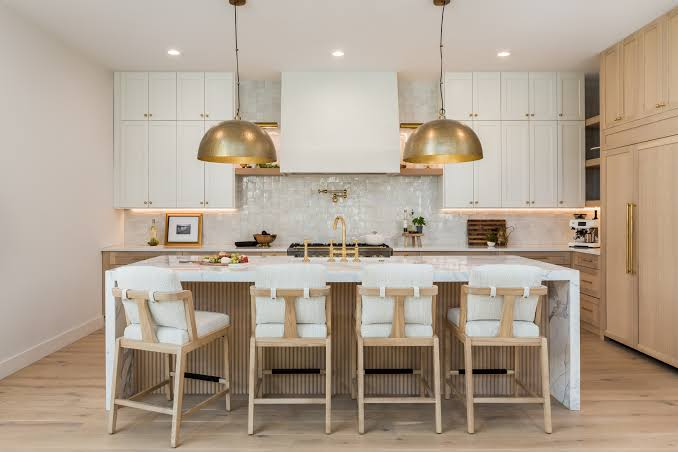
Simple upgrades include:
- Painting cabinets
- Installing modern hardware
- Replacing countertops
- Adding a tile backsplash
- Updating faucets
- Installing energy-efficient appliances
- Improving pantry organization
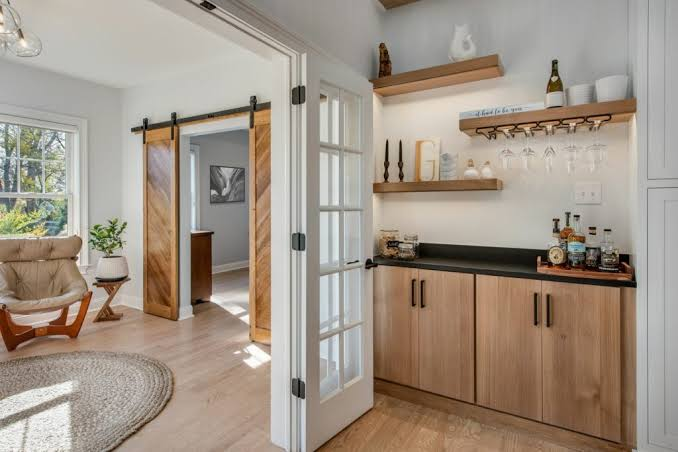
Open shelving can also add personality while making everyday items easier to access.
A modern kitchen balances beauty with functionality, making cooking and entertaining more enjoyable.
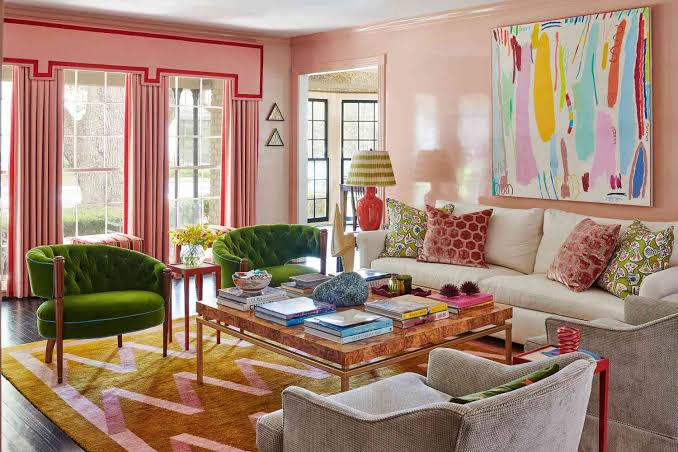
Transforming the Living Room
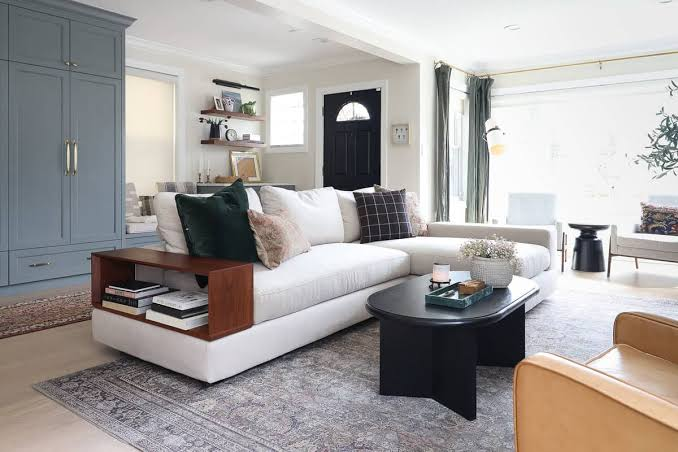
The living room often serves as the home’s central gathering place.
A successful makeover should focus on comfort, functionality, and style.
Consider:
- Neutral sofas
- Comfortable accent chairs
- Layered lighting
- Large area rugs
- Floating shelves
- Built-in storage
- Smart entertainment systems
Avoid overcrowding the room. Modern interiors emphasize breathing space rather than filling every corner with furniture.
Thoughtfully selected artwork, indoor plants, and textured cushions help complete the space without creating clutter.