Repairing Damaged Tile Floors Without Removing the Entire Surface Installation
Tile flooring is one of the most popular choices for kitchens, bathrooms, entryways, and living spaces because of its durability, attractive appearance, and resistance to moisture. However, even strong tile surfaces can experience damage over time. Cracks, chips, loose tiles, and damaged grout can develop due to heavy use, impacts, moisture issues, or natural settling of the building.
Many homeowners assume that damaged tile floors require complete removal and replacement. In many cases, this is unnecessary. Targeted repairs can restore the appearance and functionality of tile flooring without disturbing the entire surface installation.
Repairing damaged areas instead of replacing the whole floor can save money, reduce waste, and preserve the original design of the space. With the right techniques and materials, homeowners can extend the life of their tile floors while maintaining a clean and attractive appearance.
Understanding Common Tile Floor Problems
Before repairing tile flooring, it is important to identify the type and cause of damage. Different problems require different solutions, and addressing the underlying issue helps prevent future repairs.
Common tile floor problems include:
- Cracked tiles
- Chipped edges
- Loose or hollow-sounding tiles
- Damaged grout lines
- Stained or discolored surfaces
- Water-related deterioration
Small cosmetic issues may only require surface repairs, while loose or broken tiles may need replacement. Understanding the severity of the problem allows homeowners to choose the most effective repair method.
Repairing Small Cracks in Tile Surfaces
Small cracks in tile do not always mean the entire floor is damaged. Hairline cracks caused by minor impacts or surface stress can sometimes be repaired without replacing the tile.
Tile repair compounds and epoxy-based fillers are commonly used for small cracks. These materials fill the damaged area and create a smoother surface.
The general repair process includes:
- Cleaning the damaged area thoroughly
- Removing dirt, dust, and loose particles
- Applying repair material into the crack
- Allowing proper drying time
- Smoothing and blending the repaired area
While repaired cracks may not completely disappear, the process can improve appearance and prevent further damage.
However, large cracks that extend through the entire tile may indicate movement beneath the floor and usually require tile replacement.
Replacing Individual Broken Tiles
One of the biggest advantages of tile flooring is that individual damaged tiles can often be replaced without removing the entire floor.
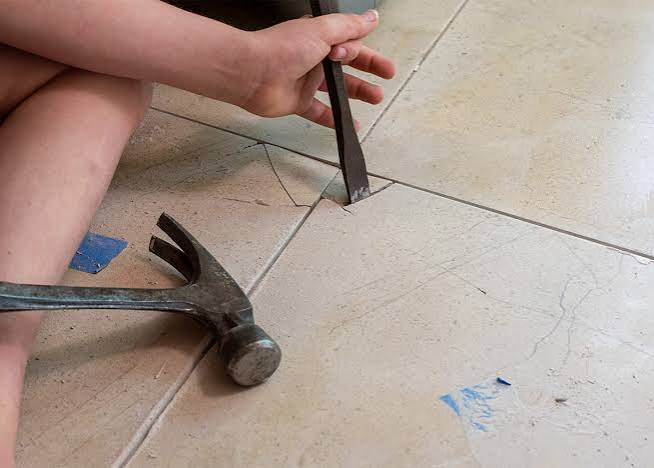
Replacing a single tile involves carefully removing the damaged piece while protecting surrounding tiles.
The basic process includes:
- Removing grout around the damaged tile
- Breaking and removing the damaged tile carefully
- Cleaning the surface underneath
- Applying new adhesive
- Installing the replacement tile
- Adding matching grout
Care must be taken during removal because excessive force can damage nearby tiles.
Finding a matching replacement tile may be challenging, especially for older floors. Homeowners may check leftover installation materials, storage areas, or suppliers that carry similar designs.
If an exact match is unavailable, a decorative replacement tile can sometimes create an intentional design feature.
Repairing Damaged Grout Lines
Grout plays an important role in tile flooring by filling spaces between tiles and preventing movement. Over time, grout can crack, discolor, or deteriorate.
Damaged grout can allow moisture to reach the underlying surface, increasing the risk of tile loosening or water damage.
Grout repair usually involves:
- Removing damaged grout
- Cleaning the joints
- Applying fresh grout
- Allowing proper curing time
- Sealing the repaired areas if necessary
Fresh grout can dramatically improve the appearance of an older tile floor and make the entire surface look cleaner.
Regular grout maintenance also helps protect the floor from moisture-related problems.
Fixing Loose or Hollow-Sounding Tiles
A common tile floor problem occurs when tiles become loose from the surface underneath. Homeowners may notice movement when stepping on the tile or hear a hollow sound when tapping the surface.
Loose tiles can develop because of:
- Poor adhesive coverage during installation
- Moisture problems
- Subfloor movement
- Temperature changes
Ignoring loose tiles can allow the problem to spread. In some cases, the tile can be removed, the adhesive replaced, and the same tile reinstalled.
The repair process requires careful removal to avoid breaking the tile. The underlying surface should be inspected before reinstalling the tile to ensure the cause of the problem has been addressed.
Repairing Chipped Tile Edges
Tile edges can chip due to dropped objects, furniture movement, or heavy impact. Small chips may be repaired using color-matched fillers or epoxy products.
These repairs work best for minor damage where the structural strength of the tile remains intact.
For visible areas, matching the tile color and texture is important. Professional repair kits often include multiple shades that can be blended to create a closer match.
Although repaired chips may not be completely invisible, they can significantly improve the appearance of the flooring.
Preventing Future Tile Damage
After repairing damaged tile floors, prevention is essential for maintaining long-term results.
Homeowners can protect tile surfaces by:
- Using protective pads under furniture
- Avoiding harsh cleaning chemicals
- Cleaning spills quickly
- Maintaining proper indoor humidity
- Repairing grout damage early
- Avoiding dropping heavy objects on tile
Regular cleaning also prevents dirt buildup that can weaken grout over time.
Proper maintenance reduces the need for future repairs and helps tile flooring remain attractive for many years.
Choosing the Right Repair Materials
The success of a tile repair depends greatly on using appropriate materials. Different tile types require different repair approaches.
Important materials may include:
- Tile adhesive
- Replacement tiles
- Epoxy fillers
- Matching grout
- Sealants
- Cleaning solutions
Ceramic, porcelain, stone, and decorative tiles may require different products, so homeowners should select materials designed specifically for their flooring type.
Using poor-quality materials may result in visible repairs or repeated damage.
When Professional Repair May Be Necessary
Many small tile repairs can be completed by experienced homeowners, but some situations require professional assistance.
Professional help may be needed when:
- Multiple tiles are damaged
- The subfloor is unstable
- Water damage exists underneath
- Large areas are affected
- Matching materials are difficult to find
A professional can identify hidden problems and provide solutions that prevent recurring damage.
Addressing structural issues early can save homeowners from larger and more expensive flooring repairs in the future.
Advantages of Repairing Instead of Replacing Entire Floors
Repairing damaged areas instead of replacing the entire floor offers several benefits.
Cost Savings
Replacing a complete tile floor involves removing existing materials, preparing the surface, purchasing new tile, and paying for installation. Targeted repairs are usually much more affordable.
Less Disruption
Full floor replacement can create significant mess and inconvenience. Small repairs allow homeowners to maintain normal use of the space.
Environmental Benefits
Repairing existing materials reduces construction waste and avoids unnecessary disposal of usable flooring.
Preserving Original Design
Older tile floors may have unique patterns or materials that are difficult to reproduce. Repairs allow homeowners to maintain the original character of the space.
Conclusion
Damaged tile floors do not always require complete removal and replacement. Many common issues, including cracks, chips, loose tiles, and grout damage, can be repaired with careful techniques and the right materials.
By identifying problems early and applying targeted repairs, homeowners can extend the life of their tile flooring while saving money and preserving the original design. Regular maintenance and preventative care further protect tile surfaces, ensuring they remain durable and attractive for years.