Home Improvement Mistakes Every Homeowner Should Avoid
Introduction
Owning a home is one of life’s biggest achievements. Whether you’ve recently purchased your first house or have lived in the same property for years, home improvement projects are an excellent way to increase comfort, functionality, and property value. However, not every renovation or repair leads to positive results. Many homeowners unknowingly make costly mistakes that reduce the quality of their homes, waste money, and create long-term maintenance problems.
Home improvement is more than simply choosing attractive paint colors or buying expensive furniture. It requires careful planning, realistic budgeting, proper tools, and informed decisions. Even small errors can have significant consequences if they are ignored. Fortunately, most of these mistakes are completely avoidable with the right knowledge and preparation.
In this guide, we’ll explore the most common home improvement mistakes homeowners make and explain practical ways to avoid them. Whether you’re planning a complete renovation or tackling simple DIY upgrades, these tips will help you save time, reduce expenses, and achieve professional-looking results.
Poor Planning
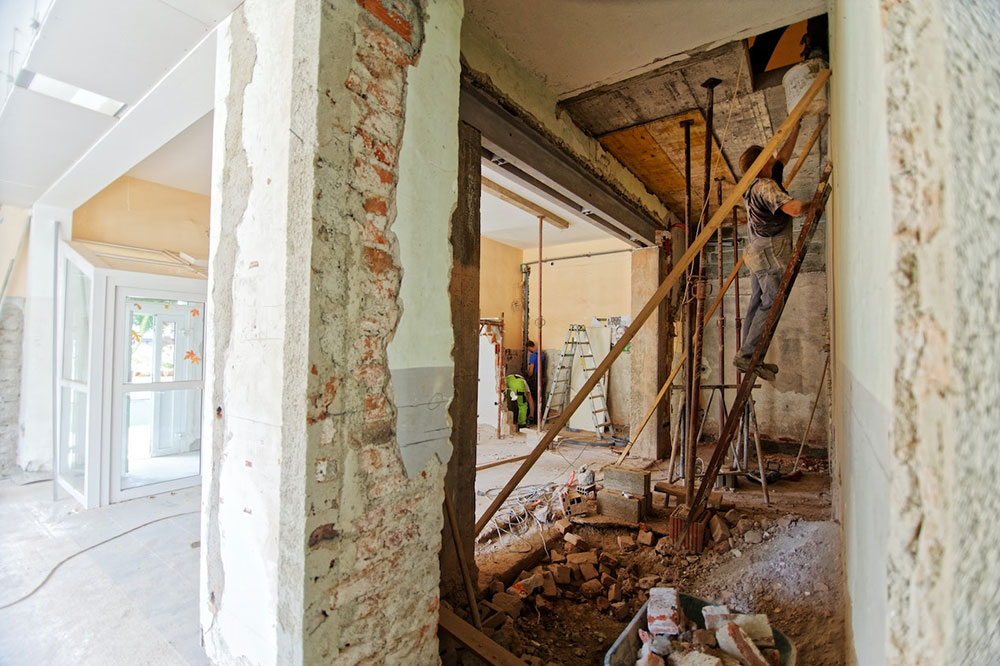
One of the biggest mistakes homeowners make is starting a project without a clear plan. Excitement often leads people to begin renovations immediately without thinking through every step. Unfortunately, poor planning usually causes delays, unexpected expenses, and disappointing outcomes.
Before beginning any project, ask yourself important questions:
- What is the purpose of this renovation?
- How much can I realistically spend?
- What materials are required?
- How long will the project take?
- Should I hire a professional?
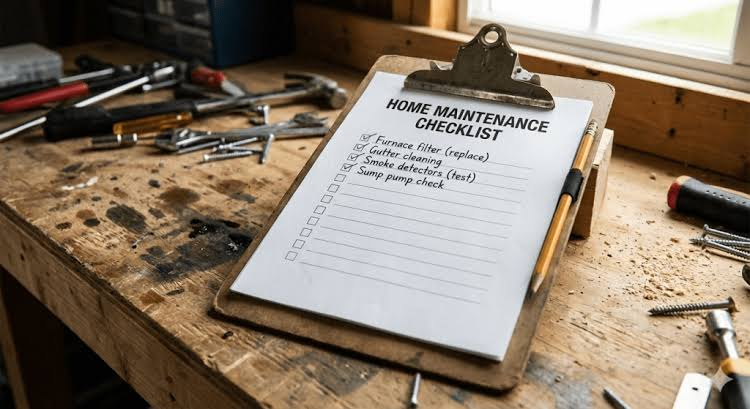
Creating a detailed checklist before purchasing materials can prevent costly mistakes later. Planning also allows you to compare prices, gather ideas, and schedule work efficiently.
Ignoring the Budget
Many renovation projects cost far more than expected because homeowners underestimate expenses. It’s common to budget only for materials while forgetting labor costs, permits, tools, delivery charges, and unexpected repairs.
A smart budget should always include a contingency fund of around 10–20 percent for surprises. Hidden plumbing issues, electrical upgrades, or structural damage can quickly increase costs.
Track every expense throughout the project. Using a spreadsheet or budgeting app helps you stay within your financial limits and avoid unnecessary debt.
Choosing Style Over Function
Beautiful homes should also be practical. Some homeowners become so focused on appearance that they overlook everyday usability.
For example:
- Installing delicate flooring in high-traffic areas.
- Choosing trendy fixtures that are difficult to maintain.
- Buying oversized furniture for small rooms.
- Adding decorative features that reduce storage space.
When making improvements, think about how your family uses the space every day. Functionality should always come before decoration. The best renovations successfully combine beauty with convenience.
Buying Cheap Materials
Saving money is important, but purchasing the cheapest materials available often becomes more expensive in the long run.
Low-quality products may:
- Wear out quickly.
- Require frequent repairs.
- Fade or crack.
- Reduce your home’s value.
- Need early replacement.
Instead of focusing only on price, compare durability, warranty coverage, maintenance requirements, and customer reviews. Investing in quality materials usually provides better value over many years.
Taking on Projects Beyond Your Skill Level
DIY projects can save money and provide a sense of accomplishment. However, attempting complicated renovations without proper experience can create serious problems.
Projects involving electrical wiring, structural changes, roofing, gas lines, or major plumbing should generally be left to qualified professionals.
Trying to save money by doing everything yourself may result in:
- Safety hazards.
- Failed inspections.
- Expensive repairs.
- Property damage.
- Lower home value.
Know your limits. Simple painting, shelving installation, landscaping, and minor repairs are great DIY projects, while specialized work often requires professional expertise.
Skipping Building Permits
Some homeowners avoid permits to save time or money. This decision can create legal and financial problems later.
Many municipalities require permits for projects involving:
- Electrical systems.
- Plumbing modifications.
- Structural changes.
- Room additions.
- Deck construction.
Working without required permits may lead to fines, insurance issues, or complications when selling your home. Always check local building regulations before starting major renovations.
Ignoring Lighting
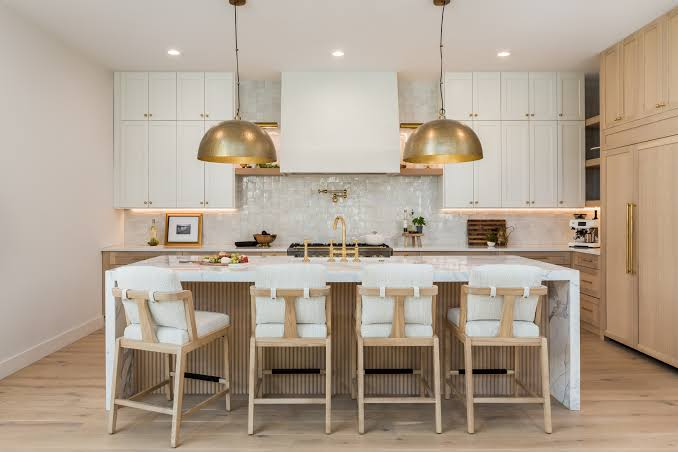
Lighting is often one of the last things homeowners consider, yet it has a huge impact on how a room looks and feels.
Poor lighting can make expensive renovations appear dull and uninviting. Instead of relying on a single ceiling fixture, combine different types of lighting.
A balanced lighting plan includes:
- Ambient lighting for overall brightness.
- Task lighting for work areas.
- Accent lighting to highlight architectural features.
- Natural light whenever possible.
Proper lighting improves comfort, increases energy efficiency, and enhances every room in the house.