Home Repair Priorities: Which Problems Need Immediate Attention First
Owning a home comes with many responsibilities, and regular repairs are an important part of protecting the property’s safety, value, and comfort. However, not every repair requires immediate action. Some problems can wait for future improvements, while others demand urgent attention because they may create safety risks, cause expensive damage, or affect the structural integrity of the home.
Understanding repair priorities helps homeowners make better decisions when time and budgets are limited. By addressing critical issues first and planning less urgent improvements later, homeowners can maintain their properties more effectively and avoid unnecessary costs.
A smart repair strategy focuses on safety, preventing damage, protecting essential systems, and improving long-term home performance.
Why Repair Prioritization Matters
Homes contain many interconnected systems, including electrical wiring, plumbing, roofing, heating and cooling equipment, structural components, and interior finishes. A small problem in one area can sometimes lead to much larger issues if ignored.
For example, a minor roof leak may appear harmless at first, but continued water exposure can damage insulation, walls, ceilings, and electrical systems. Similarly, a small plumbing leak can eventually create mold problems or structural damage.
Prioritizing repairs allows homeowners to focus resources where they matter most.
The most urgent repairs generally involve:
- Safety hazards
- Water damage risks
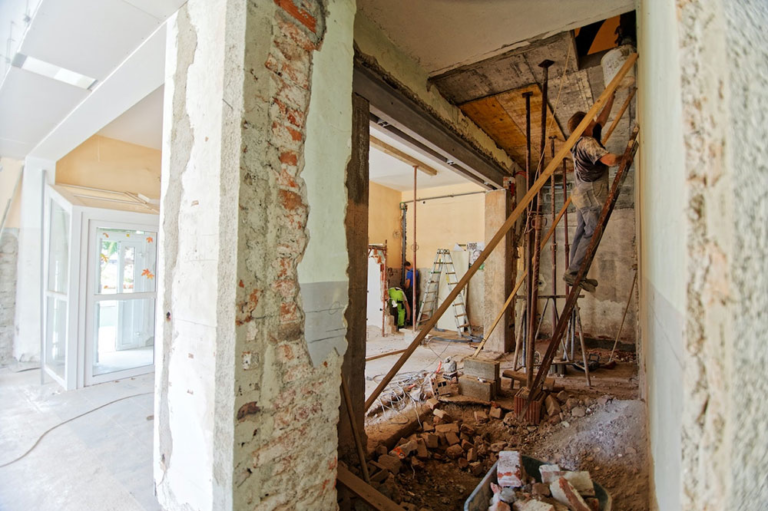
- Structural concerns
- Essential system failures
- Security problems
Cosmetic upgrades and design improvements usually come later after critical issues have been resolved.
First Priority: Safety-Related Repairs
Any problem that threatens the safety of residents should receive immediate attention. Safety issues can create dangerous conditions and should not be delayed.
Electrical Problems
Electrical issues are among the highest-priority repairs because they can create fire risks or dangerous shocks.
Warning signs include:
- Flickering lights
- Burning smells near outlets
- Frequently tripped breakers
- Damaged wiring
- Warm electrical panels
- Sparks from outlets
Old or damaged electrical systems should be inspected by qualified professionals. Temporary solutions or ignoring warning signs can create serious hazards.
Gas-Related Issues
Homes using gas appliances require special attention to potential leaks or equipment failures.
Signs of possible gas problems include:
- Unusual odors
- Hissing sounds near appliances
- Poor appliance performance
- Physical symptoms such as dizziness or discomfort
Gas-related issues should always be treated as urgent because they can create serious safety risks.
Second Priority: Water Damage and Plumbing Problems
Water is one of the most damaging forces affecting homes. Even small water problems can quickly become expensive repairs.
Urgent plumbing concerns include:
- Burst pipes
- Major leaks
- Overflowing toilets
- Water heater failures
- Severe drainage backups
Water damage can affect walls, flooring, furniture, insulation, and electrical systems.
Homeowners should address leaks immediately rather than waiting for visible damage to appear. Early repairs often prevent much larger restoration projects.
Third Priority: Roof and Exterior Protection
The roof is one of the home’s most important protective systems. A damaged roof allows moisture to enter and can affect the entire structure.
Signs that roof repairs may be needed include:
- Missing or damaged shingles
- Water stains on ceilings
- Sagging areas
- Excessive moss growth
- Damaged flashing
Roof problems should be addressed quickly, especially before heavy rain or severe weather.
Exterior maintenance is also important. Damaged siding, broken seals around windows, and poor drainage can allow moisture into the home.
Maintaining the exterior protects the interior from weather-related damage.
Fourth Priority: Structural Repairs
Structural issues require careful attention because they affect the stability of the home.
Potential warning signs include:
- Large foundation cracks
- Uneven floors
- Doors or windows that suddenly stop closing properly
- Cracks spreading through walls
- Sagging ceilings
Some minor cracks are normal as homes settle, but significant changes should be evaluated.
Ignoring structural problems can lead to more serious damage and higher repair costs over time.
Fifth Priority: Heating and Cooling System Repairs
Heating and cooling systems are essential for maintaining comfort and protecting the home environment.
Problems requiring attention include:
- Complete system failure
- Unusual noises
- Poor airflow
- Frequent cycling
- Rising energy costs
A failed heating system can become especially urgent during cold weather, while air conditioning problems may require quick attention during extreme heat.
Regular maintenance helps prevent sudden breakdowns and improves system efficiency.
Sixth Priority: Security and Entry Repairs
Problems affecting home security should not be ignored. Damaged doors, broken locks, and compromised windows can leave the property vulnerable.
Important security repairs include:
- Replacing damaged locks
- Repairing broken doors
- Fixing window damage
- Improving outdoor lighting
These repairs protect both the home and the people living inside.
Lower-Priority Repairs: Cosmetic Improvements
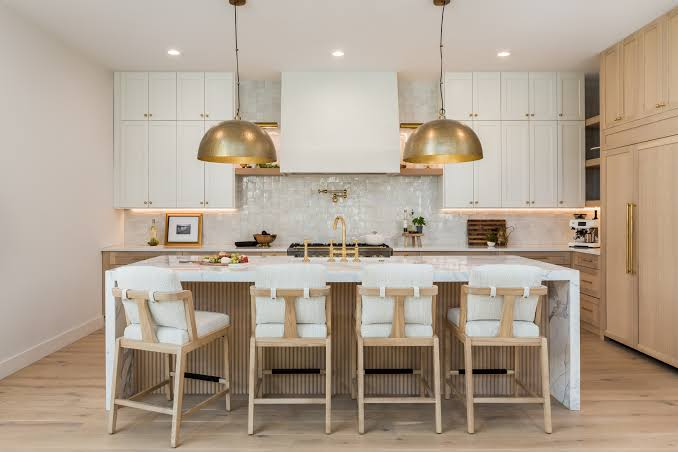
Not every repair requires immediate action. Cosmetic improvements are important for comfort and appearance but generally do not affect safety or structural stability.
Examples include:
- Repainting walls
- Updating flooring finishes
- Replacing decorative fixtures
- Changing cabinet styles
- Updating interior designs
These projects can usually be scheduled according to budget and personal preferences.
However, homeowners should avoid allowing cosmetic projects to distract from more important maintenance needs.
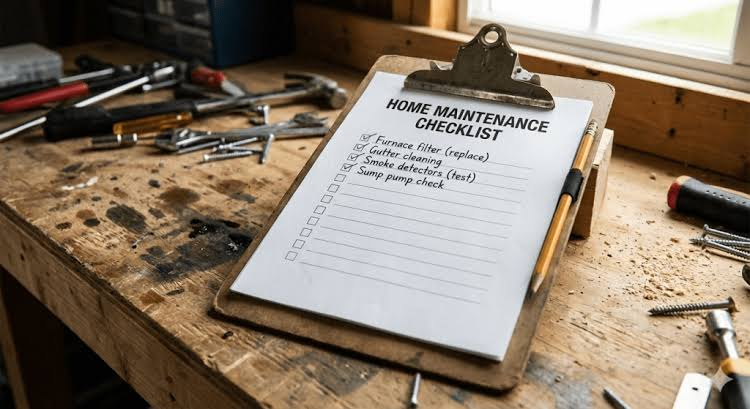
Creating a Home Repair Priority Checklist
A repair checklist helps homeowners organize tasks and make informed decisions.
A useful system is to divide repairs into categories:
Emergency Repairs
These require immediate action:
- Major water leaks
- Electrical hazards
- Gas problems
- Structural failures
Urgent Repairs
These should be completed soon:
- Roof leaks
- Damaged plumbing fixtures
- Heating or cooling failures
- Security issues
Planned Repairs
These can be scheduled:
- Aging appliances
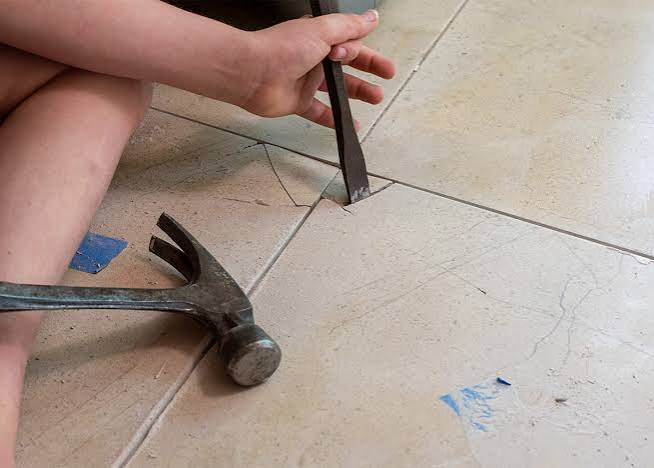
- Minor flooring damage
- Small improvements
Optional Improvements
These are based on preference:
- Decorative upgrades
- Remodeling projects
- Interior design changes
This approach helps prevent important issues from being overlooked.
The Importance of Preventative Maintenance
Many urgent repairs can be avoided through regular maintenance. Preventative care allows homeowners to identify problems before they become emergencies.
Important maintenance activities include:
- Inspecting roofs regularly
- Cleaning gutters
- Checking plumbing connections
- Maintaining heating and cooling systems
- Testing safety equipment
- Monitoring moisture levels
Routine inspections are usually less expensive than emergency repairs and help extend the life of home systems.
Budgeting for Home Repairs
Repair planning becomes easier when homeowners create a maintenance budget. Unexpected problems are part of homeownership, so setting aside funds for repairs provides financial protection.
A practical approach includes:
- Saving for emergency repairs
- Handling urgent issues quickly
- Planning larger replacements ahead of time
- Avoiding unnecessary delays
Proper budgeting helps homeowners make decisions based on importance rather than reacting only when problems become severe.
Deciding Between Repair and Replacement
Some problems can be repaired, while others may require replacement. Making the right decision depends on factors such as age, condition, repair costs, and future reliability.
For example:
- An older water heater needing frequent repairs may be better replaced.
- A small roof issue may only require targeted repair.
- Aging electrical systems may require upgrades for safety.
Considering long-term value helps homeowners avoid repeatedly spending money on systems that are near the end of their useful life.
Conclusion
Prioritizing home repairs is essential for maintaining a safe, comfortable, and valuable property. The most urgent problems are those involving safety risks, water damage, structural concerns, and essential home systems.
By addressing critical repairs first, performing regular maintenance, and planning future improvements carefully, homeowners can protect their investment and avoid unnecessary expenses.
A well-maintained home is not only more comfortable to live in but also more efficient, secure, and prepared for the future.